28 April 2026
Filters for tractors and construction machinery - how to select the right one
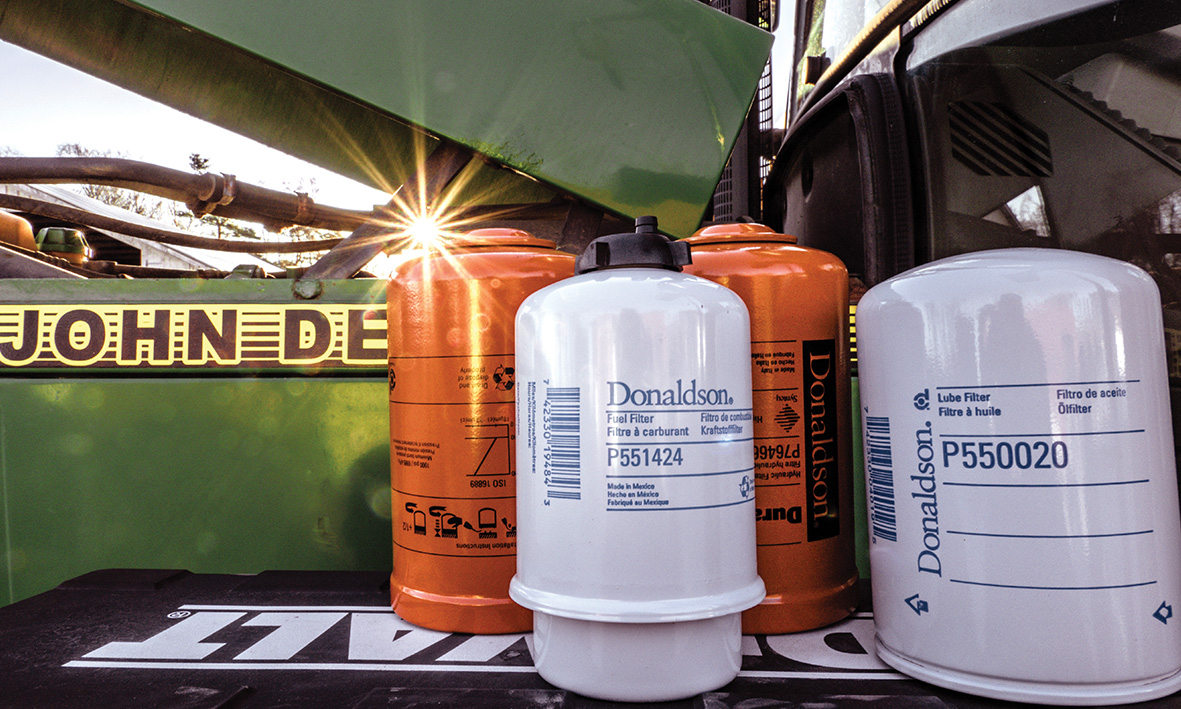
Filters for tractors, excavators and other construction machinery play a crucial role in how the machine performs and how long it lasts. The right air filter, oil filter, fuel filter and hydraulic filter will protect your engine, reduce wear and prevent unnecessary downtime. Yet filters are often long down the list of priorities.
In practice, filters are one of the single most cost-effective parts to maintain - but also one of the most important. When filtration is not working properly, wear and tear increases rapidly, which can lead to both poor performance and expensive repairs.
Tommy Abrahamsson, senior technical adviser at Olsson Parts with large experience of filters, sees the same pattern time and time again:
- It's easy to think that filters are just a consumable part. But in reality, they are the whole reason for how long the machine brackets and how well it runs during that time.
How do different filters affect the engine, fuel and hydraulics?
In harsh environments like agriculture and construction, machines are exposed to dust, dirt and moisture on a daily basis. Here, the filters do the work in the background. The air filter stops particles from reaching the engine, the oil filter keeps the oil clean, the fuel filter protects the injection system, and the hydraulics filter ensures that the hydraulics work properly. At the same time, the cabin filter contributes to a better working environment for the driver.
What happens when the filters are not working properly?
When filters are not working properly, it is often quickly noticeable. A clogged air filter can lead to reduced engine power and increased fuel consumption, while a fuel filter that is not changed in time can lead to starting problems or rough running.
- We quite often see that problems that seem large are actually due to something as single as a filter. It can start with a small loss of power in the machine and end with unnecessarily expensive repairs," says Tommy Abrahamsson.
How do you select the right filter?
Choosing the right filter is not just about it fitting - it should also perform over time. Quality and the right specification are crucial, especially in demanding environments.
- The difference between filters is rarely immediately apparent. But after a few hundred hours, you can clearly see which filters have done their job - and which have not, says Tommy Abrahamsson.
Why is prevention so important?
An important rule of thumb is to work preventively. Changing filters in time is a small cost compared to what it protects.
- Regular filter service is one of the single most profitable investments you can make for your machine. Start by checking the filters before you start screwing in the rest of the machine; surprisingly often that's where the solution lies, concludes Tommy Abrahamsson.
What filters are in a tractor or construction machine?
Most machines have several filters that fulfil different functions:
- Air filter - stops dust and dirt from reaching the engine
- Oil filter - cleans the engine oil and reduces wear
- Fuel filter - protects the injection system from dirt and water
- Hydraulic filter - brackets hydraulic oil and protects components
- Cab filter - cleans the air in cabin for a better working environment
Checklist - how to bracket your filters
To avoid problems and extend the life of your machine:
- Change the oil filter at every oil change
- Check air filters regularly, especially in dusty environments
- Change fuel filters at service intervals
- Empty water separator if necessary
- Follow hydraulic filter intervals
- Change cabin filters for a better working environment
- Use filters of the right specification and quality
- Document changes and operating hours
Guide which filter is causing the problem in your machine?
| Symptom | Check these filters |
What is the reason? |
| Reduced engine power | Air filter, fuel filter | Lack of air or fuel causes the engine to pinch |
| Increased fuel consumption | Air filter, fuel filter | Wrong air/fuel mixture reduces efficiency |
| Difficult to start engine | Fuel filter, air filter | Dirt or water in the fuel interferes with combustion |
| Irregular hydraulics | Hydraulic filter | Dirt in the hydraulic oil affects valves and pushing |
| Poor air in cabin | Cabin filter, cabin filter | Clogged filters impair air flow and filtration |