 Back to all buyer's guides
Keep the right spare parts
ready for the season
A tractor standing still in the middle of harvest costs both time and money. This guide helps you choose the right spare parts and accessories – so you can fix problems quickly without unnecessary downtime.
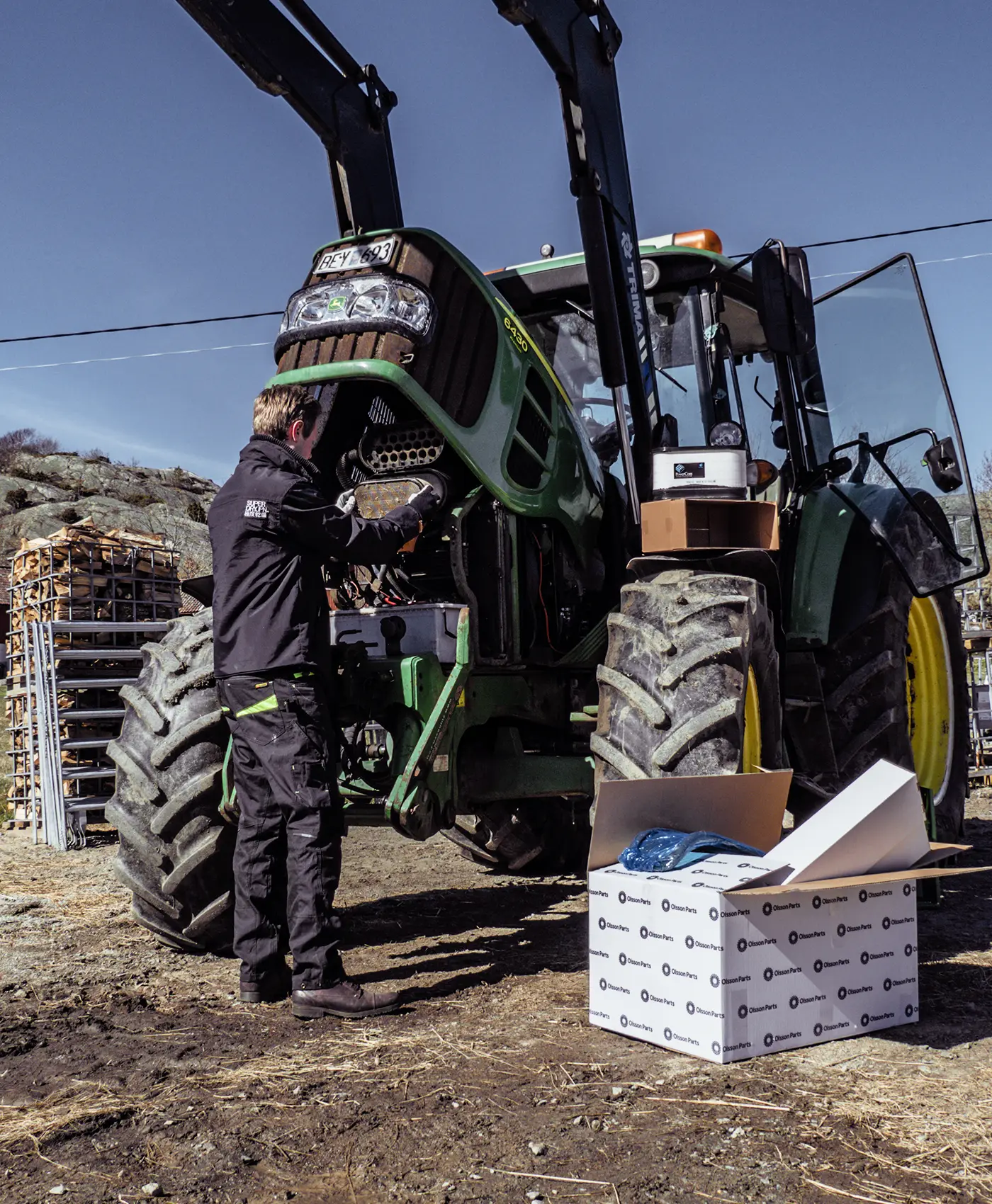
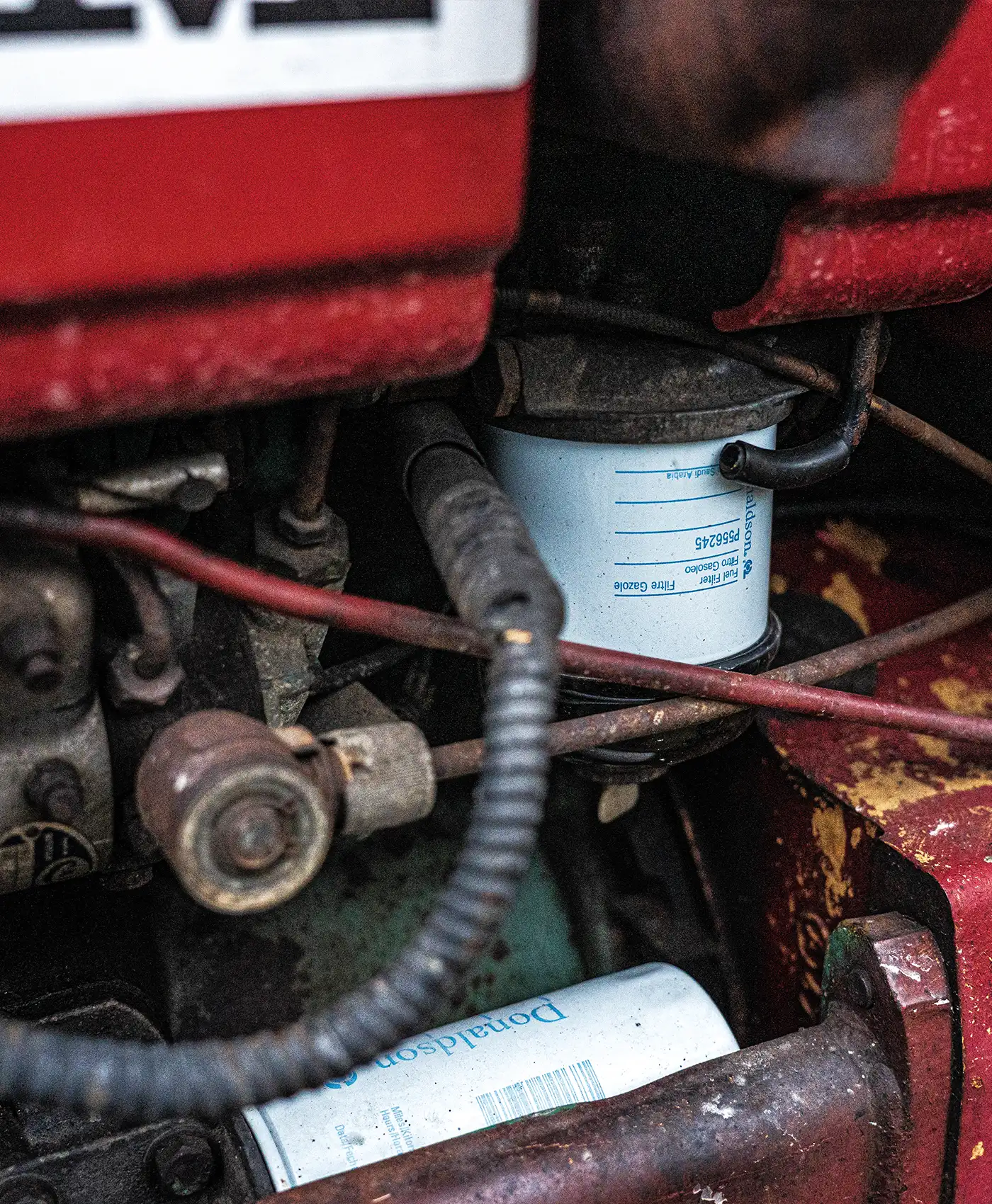
Fuel system
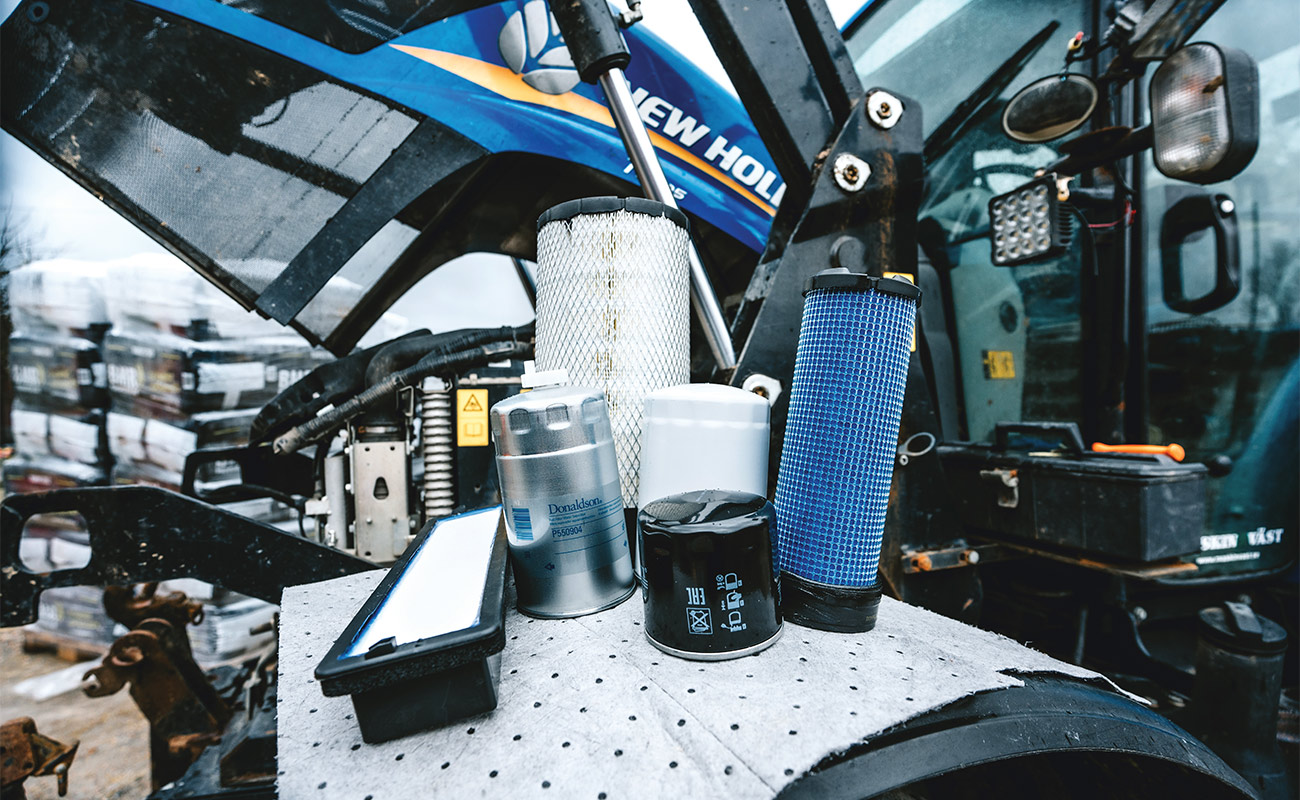
Problems with the fuel system often creep up unnoticed. A tractor that has been standing still over the winter is at greater risk – moisture and algae in the tank can clog the filter without warning. Replace the fuel filter regularly and treat the diesel preventively, especially before and after longer periods of downtime. See mechanic tips on handling contaminated diesel in the fuel system.
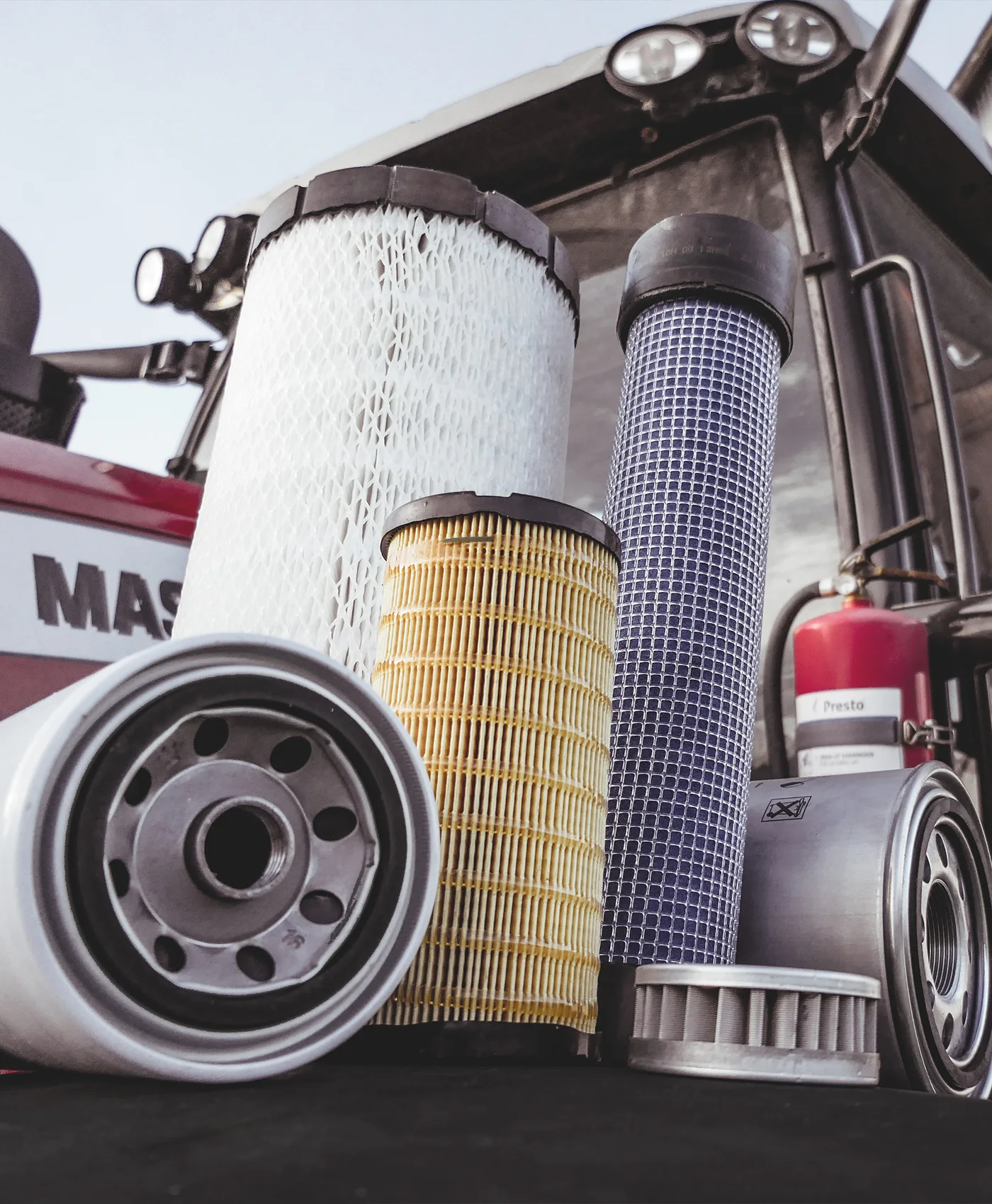
- Fuel filter
A common cause of downtime – especially after the tractor has been standing still over the winter. - Algae cleaner for diesel
Algae growth in the tank quickly clogs the fuel filter. Prevent this with the right additive.
Choose your tractor
Belts
A broken belt stops the tractor immediately – and it always happens at the wrong time. Having the right belt size at home in the workshop is one of the simplest and cheapest safeguards you can have. Check the marking and size on the existing belts before ordering so you are sure to get the right one. See mechanic tips about belts.
- Multi-belt
Keep a spare at home. A broken belt stops all work immediately - Alternator belt
A complement to the multi-belt – make sure you have the right size for your tractor - Belt spray
Reduces wear and keeps the belts in good condition during the season
Note – storing belts: Hang the belts in a cool, dark and dry place. Never folded in a box or in direct sunlight. Incorrectly stored belts dry out, crack and lose elasticity.
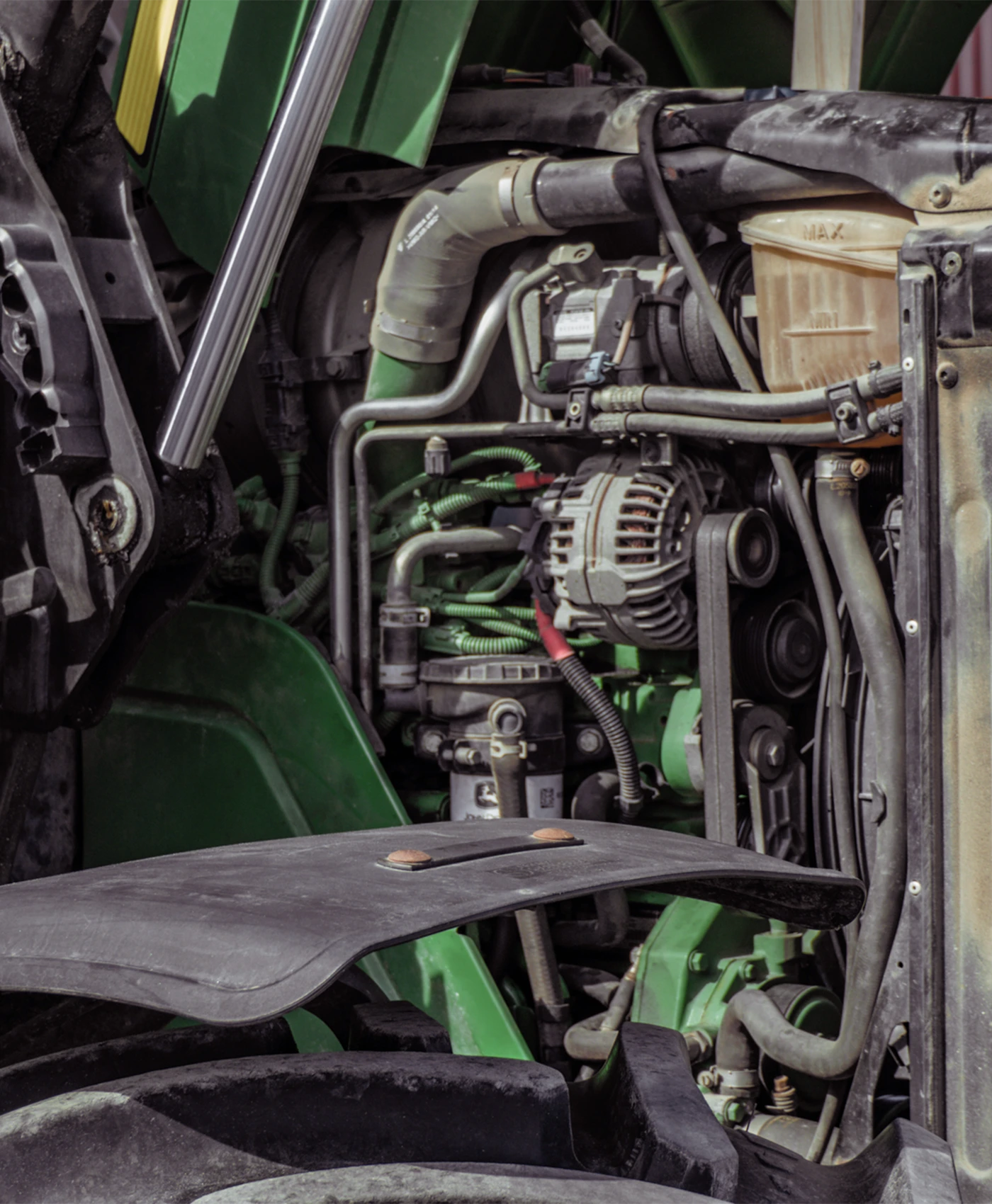
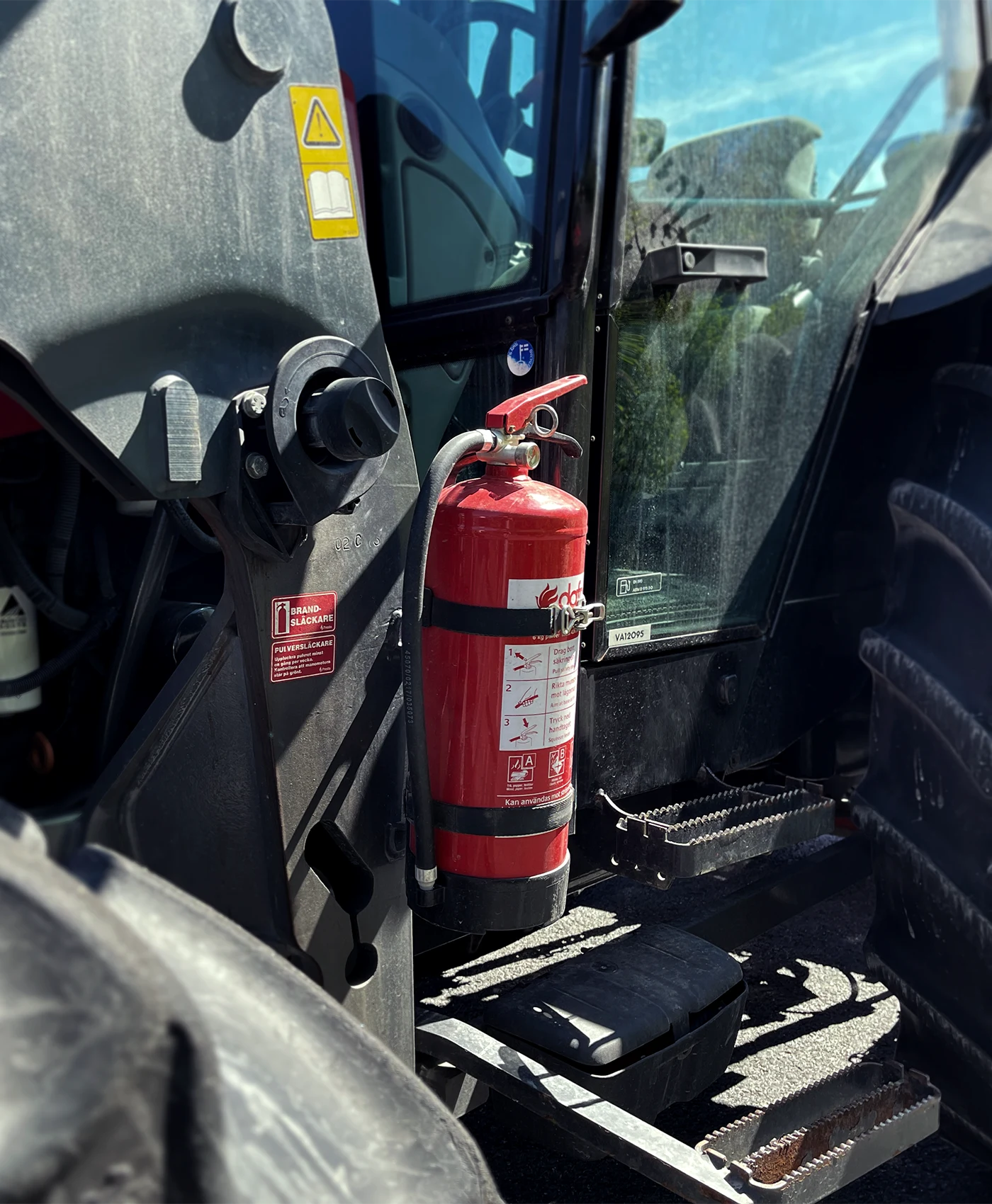
Fire protection and safety
Tractor fires are more common than many people think, and they spread quickly in dry conditions. A hot exhaust pipe against dry straw is enough. Always keep a fire extinguisher and fire blanket easily accessible in the cab – not at the very back of the toolbox. Check that the fire extinguisher is filled before each season
- Fire extinguisher
Check that it is filled and easy to access. - Fire blanket
A simple addition that can smother a fire at an early stage. - Small shovel
Can make a big difference if the ground starts to smoulder. - First aid kit
Plasters, dressings, wound wash and gloves for minor injuries in the field.
Show safety equipment
Power transmission
The PTO shaft takes a lot of strain during the season and is one of the most common sources of unplanned downtime. A damaged shaft can often be repaired quickly on site – provided you have the right parts at home. Check which profile types and universal joint dimensions are fitted on your critical shafts before ordering, so you have exactly the right parts when they are needed. See mechanic tips on replacing a PTO shaft.
- Profile tubes
Choose the right type based on what you have on your critical shafts. - Universal joints
Basic component for shaft repair. - Shear bolts
Protect the shaft in case of overload - Roll pins
Small part – big difference - Shaft guards
Extend the life of the shaft
Show power transmission

Hydraulics
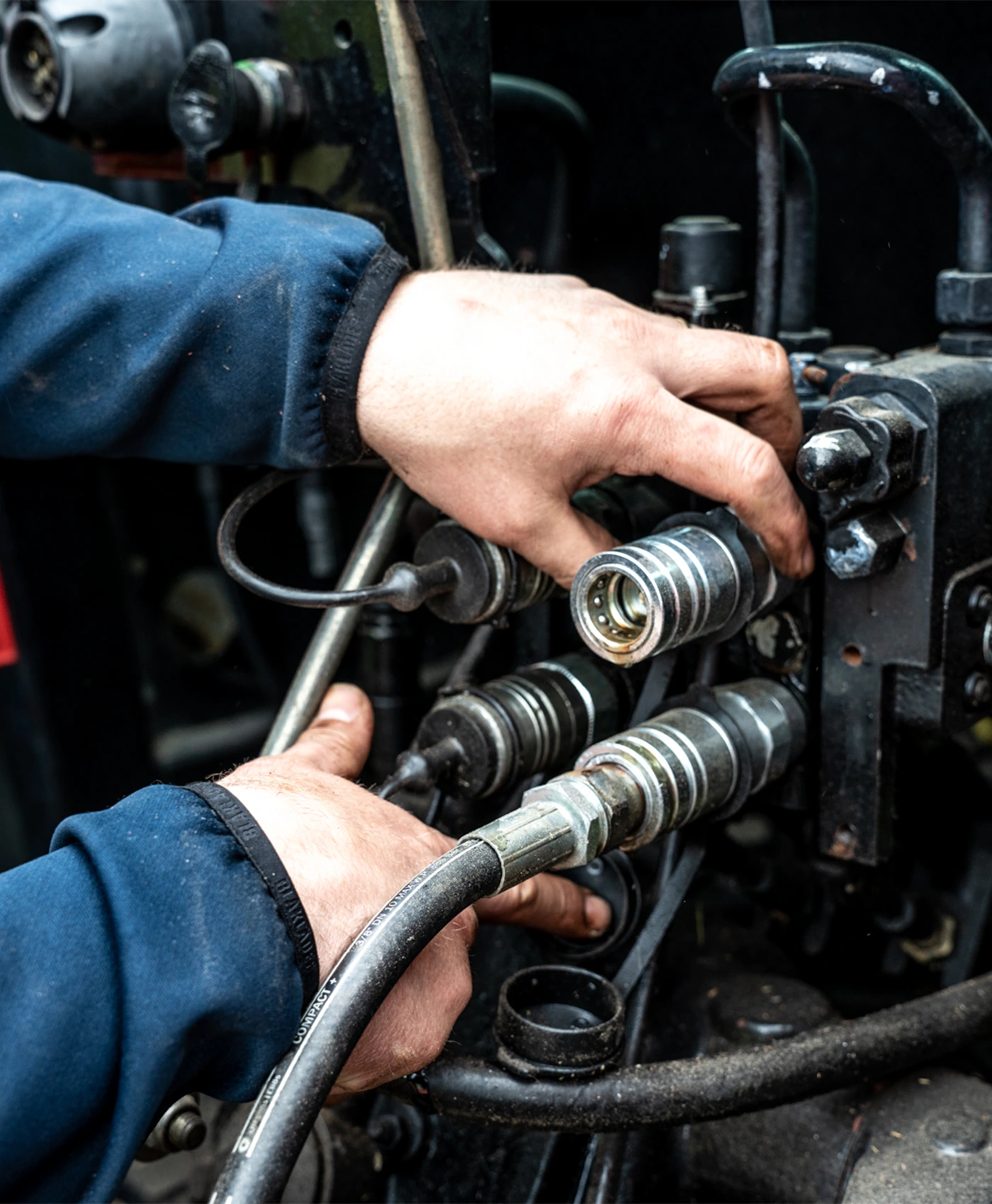
A cracked hydraulic hose is one of the most common causes of downtime in the field. The hoses are exposed to constant pressure, heat and mechanical stress – and when they fail, they often do so quickly and without warning. Keep the most common dimensions at home together with the right screw couplings, and you can often repair it on site without having to send the machine in. See mechanic tips about screw couplings for hydraulic hoses.
- Hydraulic hose
One of the most common causes of downtime. Keep the most common dimensions at home - Screw couplings
Make it possible to repair without crimping tools
View the full hydraulics range
Fluids and oils
The right fluid in the right system is essential for the tractor to work as it should. The wrong engine oil specification can increase wear, and the wrong coolant can lead to corrosion in the cooling system. Always check the tractor's instruction manual – and if you are unsure, contact us and we will help you find the right one. See mechanic tips on oil changes in the engine and front axle.
- Engine oil
Check the correct specification in the instruction manual. - Hydraulic oil
Maintain the correct level during the season. - Coolant
The right mixture prevents overheating and corrosion. - Washer fluid
Keeps visibility clear in dirty conditions.
View lubricants
Tools and other items to bring
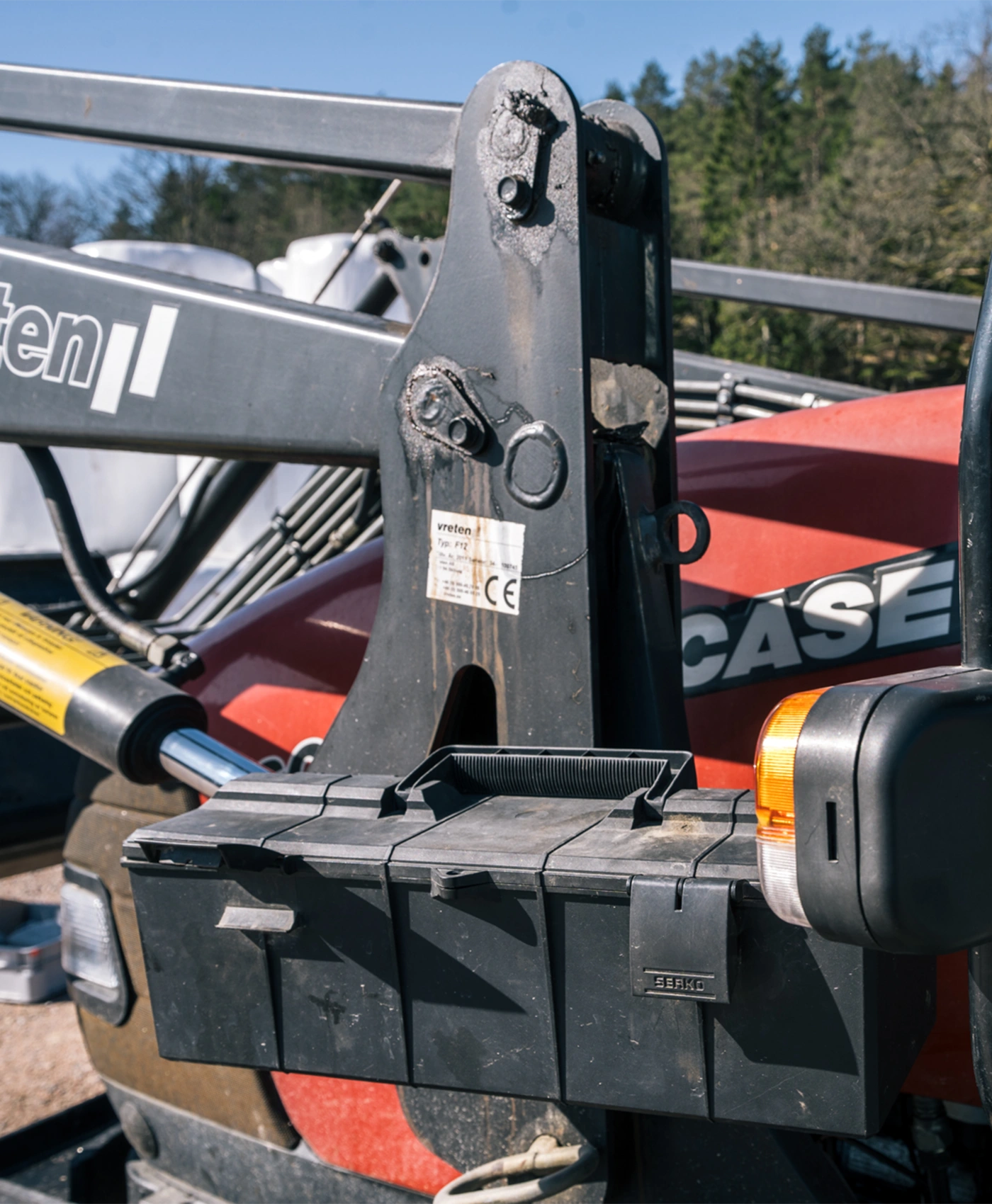
A well-stocked toolbox adapted to your specific tractor saves a lot of time when something goes wrong. A multimeter is invaluable for electrical faults, and a jump starter can save an entire working day. Also make sure to keep simple consumables such as cable ties and electrical tape – they cost very little but are invaluable for quick temporary fixes in the field. See product tips with our tools.
- Filter wrench
The right size for your tractor – a standard size rarely fits all models. - Hand tools
It is always good to have adjustable wrenches, sockets and pliers - Multimeter
Worth its weight in gold for electrical faults – saves a lot of troubleshooting time in the field. - Jump starter
Saves the day when the battery is discharged. - Flashlight or headlamp
Frees your hands when working in the dark or in tight spaces. - Cable ties, electrical tape, steel wire
For quick temporary fixes in the field.
Show tools and accessories
Preventive maintenance
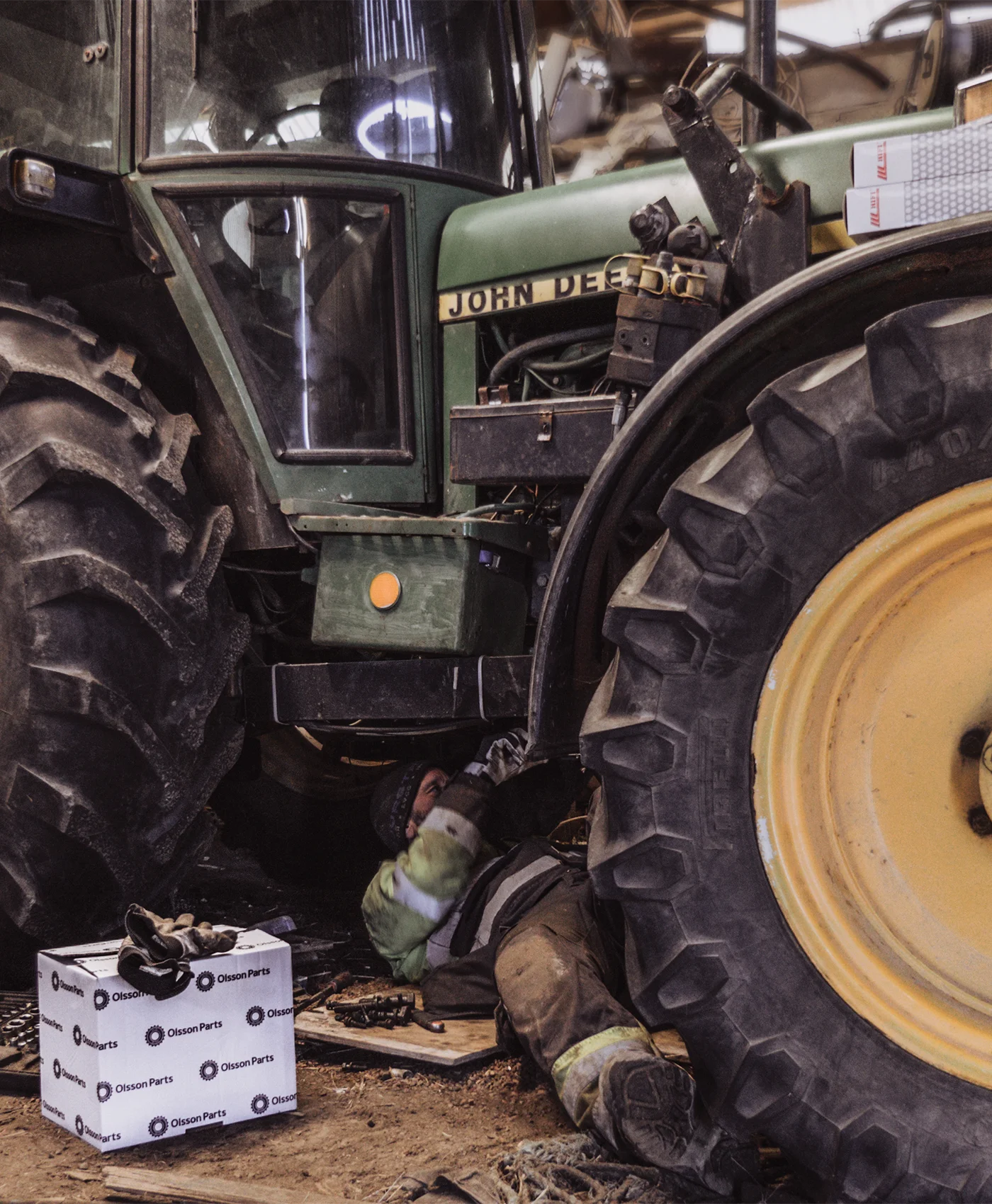
Most downtime during the season can be prevented. A couple of hours spent checking the tractor – before work begins and continuously during the season – goes a long way. Check hoses, belts and electrical cables for visible wear, lubricate according to the lubrication schedule and replace filters and oils on time. It always pays off.
- Check hoses and cables
Wear is often visible before they break – inspect them regularly. - Lubricate according to the lubrication schedule
Grease and a grease gun are part of the basic equipment. - Replace filters and oils on time
A spare air filter and regular filter changes help prevent downtime.
Choose your tractor

Get news, tips and promotions – straight to your inbox
Subscribe to our newsletter and receive the latest news, promotions, and maintenance tips directly to your inbox. It’s completely free, and you can easily unsubscribe at any time.
You might also like


FAQ / Frequently asked questions and answers about tractor maintenance
Which spare parts should I always keep at home for my tractor?
The most important spare parts to keep at home for your tractor are fuel filters, multi-belts and alternator belts in the correct dimensions, as well as hydraulic hoses in the most common sizes. In addition, you should keep PTO parts such as shear bolts, universal joints and profile tubes for your critical shafts. The right oils and fluids – engine oil, hydraulic oil and coolant – should also be part of your basic stock.
A well-chosen home stock of the most common wear parts means that most problems can be fixed directly on site, without unnecessary downtime during the season.
How do I prepare my tractor for harvest and mowing?
Prepare your tractor for harvest and mowing by checking the fuel system (replace filters, treat against algae growth), inspecting belts for cracks and wear, lubricating according to the lubrication schedule and changing engine oil and hydraulic oil if the service intervals require it. Also visually inspect the hydraulic hoses – a cracked hose is one of the most common causes of downtime in the field.
Also make sure that safety equipment – fire extinguisher, fire blanket and first aid kit – is in place and in good condition. Dry conditions during harvest significantly increase the risk of fire.
How often should you replace the fuel filter on a tractor?
The fuel filter on a tractor should be replaced according to the manufacturer's recommendation, typically every 250–500 operating hours depending on model and brand. Check the tractor's service manual for the correct interval. If the tractor has been standing still for a longer period, for example over the winter, the fuel filter should be replaced regardless of hours – moisture and algae growth in the tank can quickly clog the filter.
What causes the most common tractor downtime during the season?
The most common causes of tractor downtime during the season are cracked hydraulic hoses, broken belts, clogged fuel filters and damaged PTO shafts. Cracked hydraulic hoses are especially common because they are exposed to constant pressure and heat during intensive work.
Most of these problems can be prevented with a simple home stock of spare parts and regular checks before and during the season. A quick visual inspection of hoses, belts and power transmission only takes a few minutes but can prevent days of downtime.
How should tractor belts be stored correctly?
Tractor belts should be stored hanging, in a cool, dark and dry place. Avoid storing them folded in a box or in direct sunlight. Incorrect storage causes belts to dry out, crack and lose elasticity – and then it does not help to have them at home when they are needed.
A belt that has been stored incorrectly may look intact but break under load. Buy belts in good time before the season and store them correctly to ensure they work when needed.
Can you repair a hydraulic hose on the tractor yourself in the field?
Yes – with the right materials, it is possible to repair a hydraulic hose on site in the field without crimping tools. You need a new hydraulic hose in the correct dimension and screw couplings that fit the hose ends. Screw couplings are fitted by hand and require no special tools, making them ideal to keep as emergency spare parts.
Keep the most common hose dimensions at home, together with suitable screw couplings, and you can usually fix the problem directly without having to transport the machine to a workshop.
Which engine oil should I use for my tractor?
The right engine oil for your tractor depends on brand, model and engine. The specification is stated in the tractor's instruction manual. Using the wrong oil type can increase wear and, in the worst case, cause engine damage.
If you are unsure which oil is suitable for your tractor, you are welcome to contact us at order@olssonparts.com, and we will help you find the correct specification.
What is a power take-off shaft and which spare parts are needed for it?
The power take-off shaft (PTO shaft) transfers engine power to connected implements such as mowers, pumps and seed drills. It is exposed to heavy loads and is a common source of downtime if damaged or worn out.
Spare parts to keep at home for the PTO shaft include profile tubes (in the correct profile for your shaft), universal joints, shear bolts (which protect the shaft in case of overload), roll pins and shaft guards. Check which profile and universal joint types you have on your critical shafts before ordering, so you can be sure you have the right parts at home.
Do you have a question?
Here we have collected common questions and answers.
Can’t find the answer to your question? Don’t hesitate to contact us!
FAQ / Frequently Asked Questions