8 June 2026
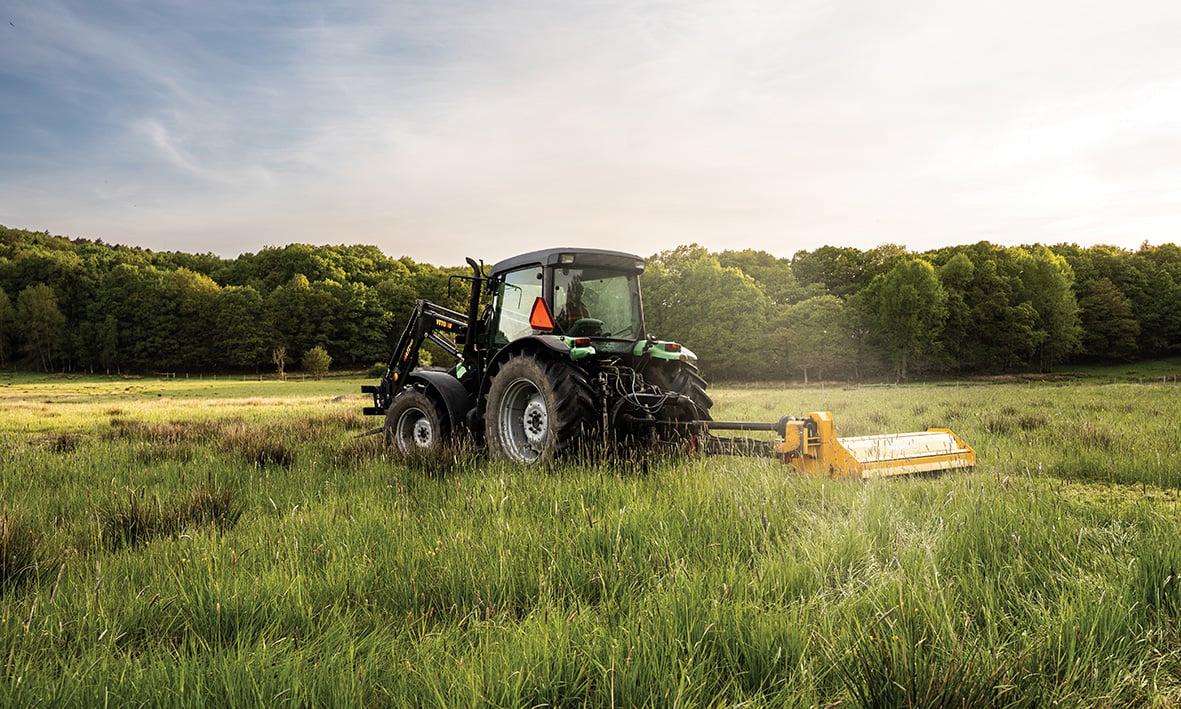
Tractor first aid - do you have everything in place?
The growing season is already in full swing in parts of the country, while in others it has only just begun. Wherever you are, it’s essential to be prepared for harvesting and mowing.
A tractor that breaks down in the middle of work can quickly become costly – both in lost time and in missed working days when the weather would otherwise have allowed operations. With the right spare parts and accessories on hand, you can avoid unnecessary downtime during the season.
Workshop First Aid – Spare Parts Worth Keeping in Stock
There are a number of tractor spare parts and service items that are useful to keep in stock, so you can resolve issues quickly without waiting for deliveries:
Fuel filter
A clogged fuel filter is a common cause of breakdowns, especially if the tractor or combine has been left standing over winter. Replace it promptly when needed.
Diesel algae treatment
Algae growth in the diesel tank can quickly clog fuel filters and disrupt the fuel system.
Belts
Keep both multi-rib belts and alternator belts in stock. Don’t forget belt spray for emergency use.
NOTE: Store belts correctly. They should be kept in a cool, dark, and dry place – ideally hanging. Do not fold them or expose them to direct sunlight. Improper storage can cause belts to deform, crack, or fail, making replacements useless when you need them most.
Power Transmission – Spare Parts That Keep You Running
The power transmission between tractor and implement is subjected to heavy stress throughout the season. A damaged PTO shaft can quickly bring work to a complete stop.
It is therefore advisable to keep the following spare parts on hand:
- Correct-type profile tubes for your shafts
- Universal joints (as used on your critical shafts)
- Shear bolts
- Locking pins
- Shaft guards
- Before Mowing – What to Bring to the Field
Mowing places high demands on both tractor and operator, whether for silage or hay production. Be sure you are properly equipped:
- Grease and grease gun
- Spare air filter
- Linch pins and other three-point hitch components (bolts and bushings are easily lost in the field – always carry spares)
- Hydraulics – Spare Parts That Save the Day
A burst hydraulic hose is one of the most common causes of downtime in the field – and one you definitely want to avoid.
Make sure you always carry:
- Hydraulic hoses in common sizes
- Quick couplings and fittings suitable for your hose dimensions, allowing repairs without a press tool
- Fluids and Oils
Correct fluids are essential for reliable and safe operation:
- Engine oil with the correct specification for your tractor
- Hydraulic oil
- Coolant
- Screen wash
Always consult your operator’s manual to ensure correct specifications – using the wrong type of oil can cause more harm than good.
Fire Safety and First Aid in the Tractor
When did you last check your tractor’s safety equipment? Every year, dry fields and hot exhaust systems cause tractor fires that can spread quickly. The right equipment can protect both machine and operator:
- Fire extinguishers
- Fire blankets as a simple complement to extinguishers, helping to smother small fires early
- A small shovel, which can make a significant difference if the ground begins to smoulder
- First aid kit with plasters, dressings, wound cleansing solution, and gloves for minor injuries
- Tools in the Tractor
Check your toolbox to ensure you are properly prepared:
- Correct-sized filter wrench
- Adjustable spanners, socket set, and pliers
- Torch or headlamp
- Multimeter for diagnosing electrical faults
- Other Useful Items to Keep in the Tractor
- Work gloves
- Spare torch and batteries
- Cable ties, wire, and electrical tape
- Jump leads or a portable jump starter
- Mobile phone charger with 12V adapter
- Preventive Maintenance
Whether you are already in the field or preparing for the season, a quick inspection of your tractor is well worth the effort:
- Check hoses, belts, and electrical wiring for wear
- Lubricate according to the service schedule
- Replace filters and oils on time
A couple of hours of preventive maintenance can often save days of downtime during harvest.